+86 13777722188


Choosing a Power Wire supplier is not a catalogue exercise. A cable that looks suitable on a screen may fail the project’s voltage, temperature, installation, or delivery requirements. Global buyers need to check conductor material, insulation, rated voltage, test documentation, production capacity, and shipment consistency. The details matter. A drum’s label, the test certificate, and the factory’s response to a technical question can reveal more than a polished brochure.
The responsibility behind electrical supply is well expressed by George Westinghouse, a pioneer of the electrical power industry: “If someday they say of me that in my work I have contributed something to the welfare and happiness of my fellow man, I shall be satisfied.” That principle offers a useful lens for evaluating suppliers: dependable products support safer, more reliable power systems. Buyers should verify claims against specifications and ask how quality is controlled across production batches. Certifications are useful, but they do not replace project-specific checks. No single supplier is best for every application.
This guide reviews ten Power Wire suppliers for global buyers, focusing on product range, manufacturing credentials, quality evidence, export experience, and practical support. It also recognizes a hard truth: supplier information can be incomplete, and comparison tables cannot capture every factory’s day-to-day performance. Treat the shortlist as a starting point. Request current documents, confirm lead times in writing, and have qualified engineers review technical suitability before ordering. A missed detail can become an expensive delay.
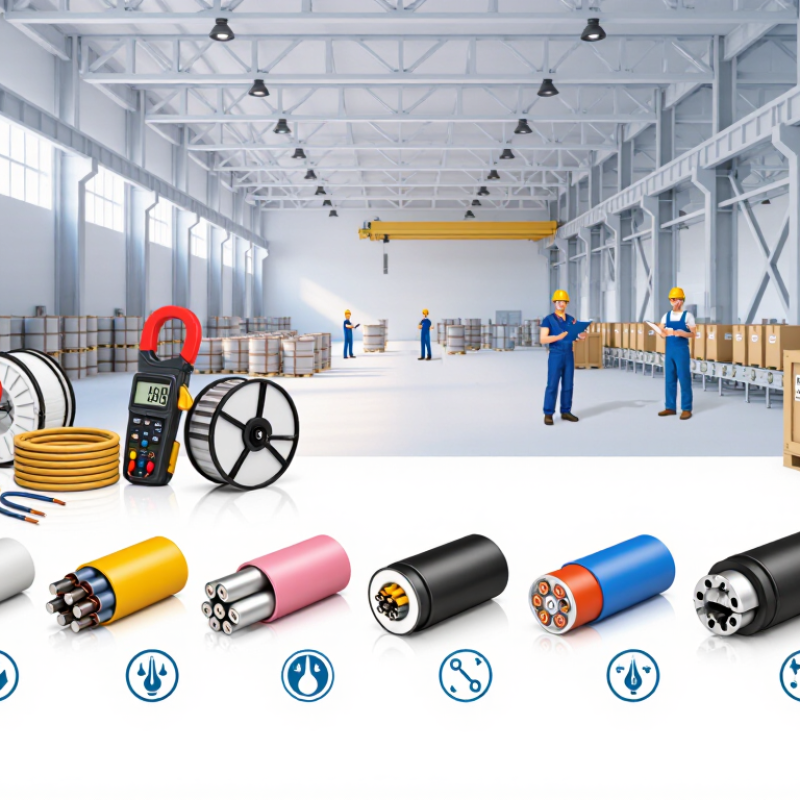
Power wire is an insulated conductor designed to carry electrical power between components or equipment. Its suitability depends on details, not just its appearance. Buyers compare conductor material, wire gauge, insulation type, voltage rating, and operating temperature. A copper wire may suit a flexible connection, while another application may require different insulation for heat, moisture, or abrasion. Check the intended use carefully. Specifications can still leave room for interpretation, so matching the wire to the installation matters.
Global supply chains connect buyers with material processors, wire manufacturers, testing facilities, and freight providers. A supplier may source metal from one region, produce insulated wire in another, then ship finished rolls to a buyer’s warehouse. Each handoff can affect lead time and consistency. Clear orders should state dimensions, quantities, packaging, and destination requirements. Ask for test reports and batch identification when traceability is important. These records help buyers compare shipments and investigate a mismatch.
Shipping schedules can shift because of port congestion, production capacity, or changes in raw-material availability. Build in time for sample review and incoming inspection, especially when replacing an established specification. Inspect labels, roll condition, and printed markings on arrival. Small checks matter. A low quoted price may not reflect the full cost if packaging, delivery timing, or documentation falls short. Buyers should weigh those practical details alongside the wire’s technical fit.

Evaluating a power wire supplier starts with matching specifications to the actual installation, not comparing catalog prices. Check conductor material, cross-sectional area, insulation type, rated voltage, and operating temperature. Ask for datasheets that explain tolerances and test methods. Details matter. A supplier should answer technical questions clearly, including questions about applications that fall outside its usual range.
Request recent test records and confirm how production batches are identified and inspected. Traceable batch numbers help buyers investigate a defect without guessing which shipment was affected. Ask whether samples can be checked against the quoted specifications before placing a large order. A tidy certificate file is reassuring, but it cannot prove every batch is identical. That distinction is easy to overlook.
Production capacity, lead times, packaging, and shipping communication also deserve careful review. Confirm that the supplier can protect wire from moisture and physical damage during transit, and that labels remain readable after handling. Compare the full delivered cost, including testing, packaging, and freight, rather than focusing only on the unit price. Price can deceive. Even a thorough review may miss a weak point, so document assumptions and revisit them after the first shipment.
Power wire suppliers differ in materials, production scale, and the applications they serve. An integrated copper-wire producer may offer tight control over conductor quality and consistent batch records. An aluminum conductor specialist often focuses on long-distance utility projects, where weight and line design matter. Building-wire manufacturers typically supply insulated conductors in standard sizes for construction and renovation. Industrial cable makers may provide flexible power leads built to handle repeated movement. Details matter.
Automotive wire suppliers focus on compact conductors, abrasion resistance, and demanding operating conditions. Renewable-energy cable producers serve solar and wind installations, where outdoor exposure and temperature changes shape product selection. Marine suppliers design for humid, salty environments, but buyers should confirm the intended vessel or installation use. A sample reel can reveal handling issues that a product sheet misses.
Instrumentation and control suppliers offer wires for equipment connections, where clear identification and reliable insulation help during installation. Custom-production specialists can adapt conductor sizes or colors, though small runs may cost more. Regional distributors round out the picture by holding local stock and coordinating delivery across nearby markets. Their reach varies. These ten supplier profiles are starting points, not endorsements. Buyers should compare test reports, traceability, packaging, lead times, and support for the destination market. I would still verify specifications independently; paperwork can look complete while leaving practical questions unanswered.
A useful comparison of power wire suppliers starts with the product range, not the size of the catalog. Check whether each supplier offers the conductor materials, gauges, insulation types, voltage ratings, and temperature limits your application requires. Can they provide standard stock, or only custom production? Ask for current datasheets and lot-specific test reports. Details matter. Certifications also need careful checking: confirm that the exact wire construction and intended market are covered by the stated standard. A company-level quality certificate does not automatically certify every product it sells. Requirements can differ by country and use.
International reach is more than a map of shipping destinations. Compare quoted lead times, minimum order quantities, export packaging, shipment tracking, and the availability of technical support across time zones. A small sample coil can help reveal whether markings are legible and the insulation survives ordinary handling. It is also worth asking how the supplier manages specification changes between production runs. A polished catalog is reassuring, but it cannot replace traceable records. I would avoid ranking suppliers by reach alone; a broad network may still mean slow answers or unclear documentation. Not always obvious. Look for precise replies, consistent paperwork, and delivery terms that match your project schedule.
Before placing an order, verify that the supplier’s legal business name, factory address, and payment details match across its documents. Ask for a current product datasheet, test reports, and clear information about conductor material, wire gauge, insulation, and temperature rating. Check that the reports describe the exact product you intend to buy, not a similar item. Small discrepancies matter.
Tips: Request a sample from the same production line. Measure its diameter, inspect the insulation, and check that printed markings match the specification. Ask how batches are identified and whether test records can be linked to each shipment. Keep replies and revised documents on file.
A supplier’s website is only a starting point. Arrange a video call or independent factory inspection when the order size justifies it. Ask for recent customer references, but confirm them through contact details you find independently. Discuss lead times, packaging, defect handling, and inspection steps in writing. A tidy sample is reassuring, but it cannot prove every production run will be consistent. I would not treat a low quote as proof of poor quality, either; compare the included tests and delivery terms before deciding. If an answer stays vague, pause and ask again.
| # | Evaluation Dimension | What to Verify | Evidence to Request | Warning Sign | Weight |
|---|---|---|---|---|---|
| 1 | Product specification match | Confirm conductor material, cross-sectional area, voltage rating, insulation, temperature rating, construction, and intended application against the purchase specification. | A signed datasheet and itemized quotation showing the same technical parameters and applicable tolerances. | The quotation uses broad descriptions such as “power cable” without identifying construction or ratings. | 15% |
| 2 | Applicable standards and approvals | Check that the proposed wire or cable is designed for the destination market and the specific application. Standards vary by cable type, voltage, and jurisdiction. | Standard numbers, approval details where required, and documentation that can be checked with the relevant issuing or certification body. | A supplier claims one certificate covers every product, market, or cable type. | 15% |
| 3 | Testing and inspection | Ask which routine and type tests apply to the offered product, and confirm that test results relate to the same design and ratings. | Recent test reports identifying the product, test methods, results, dates, and testing organization; request independent testing when risk warrants it. | Reports are incomplete, unrelated to the quoted construction, or cannot be independently checked. | 12% |
| 4 | Material and batch traceability | Confirm that production batches can be linked to raw-material records, inspection results, and shipment documents. | Sample batch labels, inspection records, and a documented process for handling nonconforming products. | The supplier cannot explain how a shipped coil or drum is traced to its production lot. | 10% |
| 5 | Quality management | Review how incoming materials, production processes, final inspection, corrective actions, and document control are managed. | A current quality-system certificate where relevant, plus a clear description of inspection stages and record retention. | Only a certificate image is provided, with no verifiable details or explanation of production controls. | 10% |
| 6 | Production capability and lead time | Check whether the supplier can make the required construction, quantity, and packaging within the requested schedule. | A production plan stating capacity assumptions, lead time, minimum order quantity, and any tooling or material constraints. | Delivery promises are made before the specification, quantity, and production schedule are confirmed. | 8% |
| 7 | Sample and pre-shipment verification | Evaluate a representative sample and agree how the production order will be checked before dispatch. | An approved sample reference, inspection checklist, acceptance criteria, and agreed procedure for inspection or testing. | The supplier refuses a sample or will not confirm that mass production matches the approved specification. | 10% |
| 8 | Commercial terms and order clarity | Compare the full landed-cost assumptions, payment milestones, quotation validity, warranty terms, and responsibility for changes. | A written quotation and purchase contract that specify product details, quantity, price, delivery terms, payment schedule, and remedies for nonconformity. | Key terms are left to informal messages or the invoice conflicts with the agreed specification. | 8% |
| 9 | Export packaging and shipping documents | Confirm drum or coil dimensions, protection against handling and moisture damage, shipping marks, and destination documentation needs. | Packaging specifications, a packing-list example, and confirmation of the shipping documents required for the destination. | Packaging and document responsibilities are not agreed before production or dispatch. | 6% |
| 10 | Communication and after-sales support | Assess response quality, technical support, escalation contacts, and the process for claims, replacement, or corrective action. | Named functional contacts, written response and claim procedures, and clear warranty or remedy terms. | Technical questions receive inconsistent answers, or no accountable contact is identified. | 6% |
| Total evaluation weight | 100% | ||||